Brand & creative
Videos & motion
I help shape videos around the audience, channel and action you want to create. The scope can connect concepts, scripts, storyboards and editing with the wider campaign, with production requirements agreed before delivery dates.
Enquire about this service ↗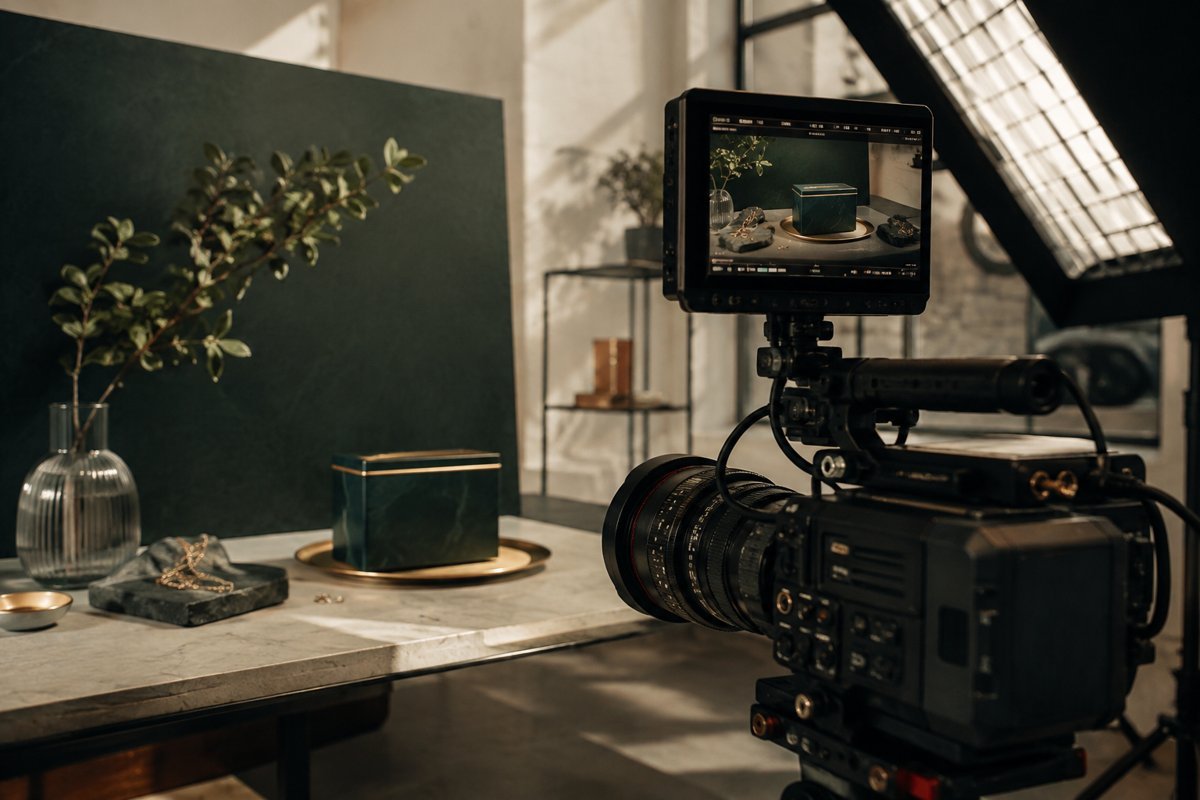
HOW I CAN HELP
Give the story a visual rhythm.
Storyboarding and production planning
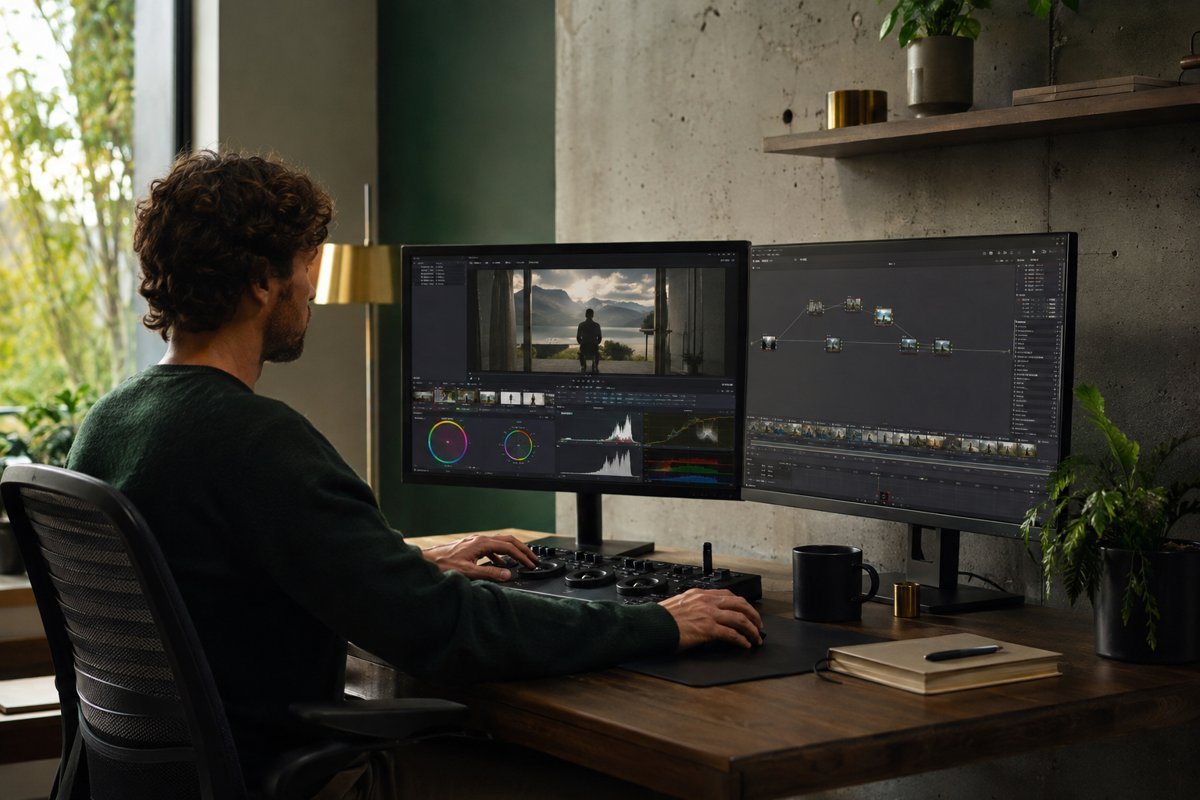
Editing and channel adaptations
THE APPROACH
From the brief to a clear direction.
Yes. I can help with the concept, script, storyboard, production planning and editing. The proposal will specify filming requirements, deliverables and any production costs.
The message, references, available footage and intended channels.
THE APPLICATION
Built around the way you work.
Yes. We can plan vertical, square or landscape edits, captions and shorter cuts around the channels you intend to use.
Discuss your briefVideo is the most expensive format to get wrong and one of the easiest to plan well. Most of the cost and delay come from decisions made late. This page covers how I scope a video project, what each stage involves, what you will be asked to supply, and how to judge whether a video is working.
Decide the job and the channel first
A video for a homepage, a paid social campaign, a product explainer and a founder story are four different projects. Each has a different length, tone, pace and structure. A paid social clip has to earn attention in the opening seconds and usually works with the sound off, so it needs captions and a visual hook. A website explainer can take more time because the viewer has chosen to watch. A sales follow-up video might be a personal screen recording.
So I start by asking where the video will be seen, who will see it, what they should do afterwards and how you will know it worked. Those answers decide the length, the format, whether you need a shoot at all, and what the budget should cover. It is common to find that a simpler format meets the goal at a fraction of what a full production would cost.
It also helps to decide who will keep making video after this one. If your team will produce the next ten clips, the first project should leave them with a style guide, title templates and a simple shooting routine. If you expect to outsource every video, the emphasis shifts to a clear brief format and a reliable approval process.
The stages of a production
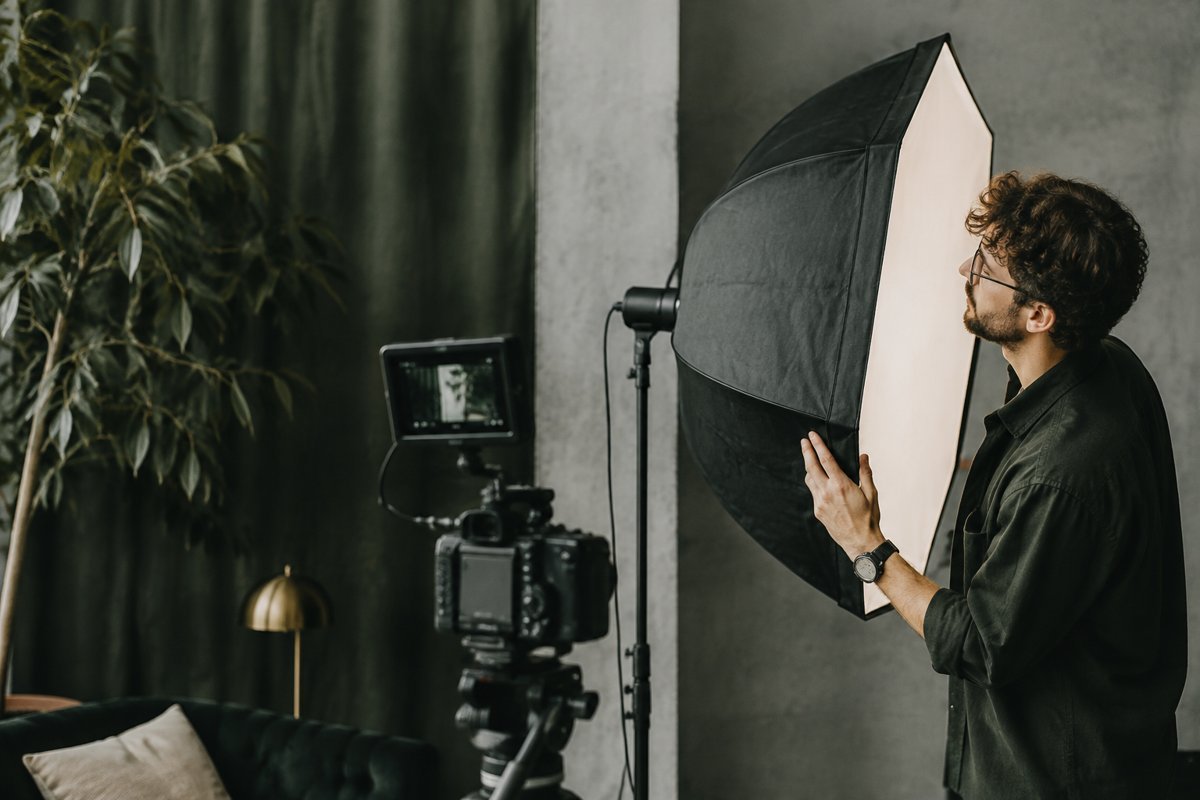
Concept comes first: the idea, the angle and the message. Then the script, written to be spoken or shown, which is different from writing for reading. After that comes a storyboard or shot list that maps what the viewer sees at each point. Production planning follows: locations, people, equipment, permissions, schedule. Then filming or asset gathering, editing, sound, captions and final exports for each channel.
Each stage ends with a sign-off. That discipline is the main protection against cost overruns, because changing the script is cheap and re-shooting is not. I agree the number of review rounds upfront and make it clear what counts as a change of direction. The proposal states filming requirements, deliverables and any production costs that fall outside my own time, such as crew, location fees or talent.
- Concept and message, tied to a single audience and action.
- Script and storyboard, approved before any filming.
- Production plan: people, locations, equipment and schedule.
- Edit, sound and graphics, with defined review rounds.
- Channel versions: vertical, square and landscape cuts, captions and thumbnails.
Not every video needs a shoot
Motion graphics, animated explainers, screen recordings, edited customer interviews and videos built from product footage or photography can often be produced without a film crew. They also age better in some cases, because they are easier to update when a product or price changes. A live-action shoot is stronger when you need to show people, places, a physical product in use or a personality.
Reels and short-form clips are a different discipline again. They depend on a repeatable format more than a single polished production. If you plan to publish regularly, I would rather design a format that your team can sustain, with templates for titles, captions and endings, than deliver one beautiful video and then leave you with nothing to follow it.
Whatever the format, I plan for reuse. A ninety-second film can yield several shorter cuts, a still frame for the thumbnail, quotes for social posts and an audio track. Deciding on these at the scripting stage costs little, whereas extracting them afterwards from footage that was not shot with them in mind is slow and rarely satisfying.
What drives the effort and the cost
I will not quote typical durations or prices here, because they depend on several things. Length and complexity of the story. Whether it is live-action, animated or a mix. Number of locations and people. Quality of the footage you already have. Number of language or format versions. Music and licensing needs. And how many review rounds the approval chain requires.
Sound is underestimated. Viewers tolerate imperfect pictures far more than poor audio, so clean voice recording often matters more than an expensive camera. Likewise, a clear script saves more money than any equipment decision. My work is quoted per project once the brief is clear, and the proposal separates my time from third-party production costs so you can see what you are paying for.
Mistakes that make videos underperform
Making it too long is the usual one. People leave when the point is delayed. Another is starting with the company logo and a slow intro rather than with the viewer's problem. A third is forgetting captions: many people watch without sound, and captions also help accessibility. A fourth is a missing next step. A video that finishes without telling the viewer what to do wastes the attention it earned.
Also common: filming first and thinking about the message later, using music that overpowers speech, and publishing a single landscape version everywhere. Each platform crops and displays video differently, so a horizontal edit pushed into a vertical feed looks like an afterthought. Plan the formats before the shoot so the framing leaves room for the crops.
What I need from you
The core message and the audience, references of videos you like and why, whatever footage and photography you already hold, your brand assets, and the channels where you intend to publish. Let me know who will appear on camera, and whether they are comfortable doing so. Real people tend to be more convincing than staged ones, but only when they have time to prepare.
Please also name one person to approve each stage and give feedback in consolidated form. Conflicting comments from five people are the quickest way to extend an edit. If music, stock footage or third-party material is needed, we will agree the licensing early. You should hold the rights to anything published under your name, and the proposal will make that clear.
Measuring whether a video is doing its job
Choose the measure before publishing. For an awareness clip, it might be views and the share who watch beyond the opening seconds. For an explainer on a landing page, it could be whether visitors who watch go on to enquire. For a sales video, replies and meetings booked. Platform analytics show retention curves that reveal exactly where viewers drop off, which is useful for making the next video better.
Video rarely works alone. It supports Marketing creatives by giving campaigns a moving element, it can anchor a launch page built through Website design and development, and clips cut from a longer piece can serve Presentations and pitch decks. Results depend on the message, targeting and distribution as much as the production quality, and I do not promise a particular outcome.
A short video with a clear message and a next step beats a polished one that wanders.
When this is not the right move
If you have no steady audience or a destination page for the video to send people to, production will not help yet. Fix the page or the offer first. A video pushed at a confusing website simply carries confused visitors there faster.
And if your message is still changing, hold off on anything expensive. A simple recorded explanation on a phone, with clean sound and captions, can test whether the idea resonates. Invest in a larger production once you know the message is right.
WAYS TO WORK TOGETHER
A focused project. Or ongoing support.
Start with a strategy session. We can then agree a project brief, a focused consultation or an ongoing engagement around your priorities.
YOUR QUESTIONS, ANSWERED
Videos & motion FAQs
Scope, preparation and what happens next.
Can you manage a video from concept to edit?
Yes. I can help with the concept, script, storyboard, production planning and editing. The proposal will specify filming requirements, deliverables and any production costs.
Can you make short versions for social media?
Yes. We can plan vertical, square or landscape edits, captions and shorter cuts around the channels you intend to use.
What should I prepare for our first conversation?
The message, references, available footage and intended channels.
How are the scope and timeline agreed?
I review your requirements, starting material and target date before proposing milestones. For videos & motion, the schedule depends on complexity, review rounds and the access or assets needed.
How much does this service cost?
Start with a strategy session at ₹2,999 + GST. A digital audit starts from ₹19,999 + GST, and ongoing monthly options start at ₹50,000 + GST for SEO consulting or ₹75,000 + GST for a consulting retainer. Project delivery is scoped and quoted separately; we can choose the right arrangement for your brief.